Celebrant Training Information
Comprehensive guide to our training structure, assessment methods, course policies, and frequently asked questions. Everything you need to know before enrolling.
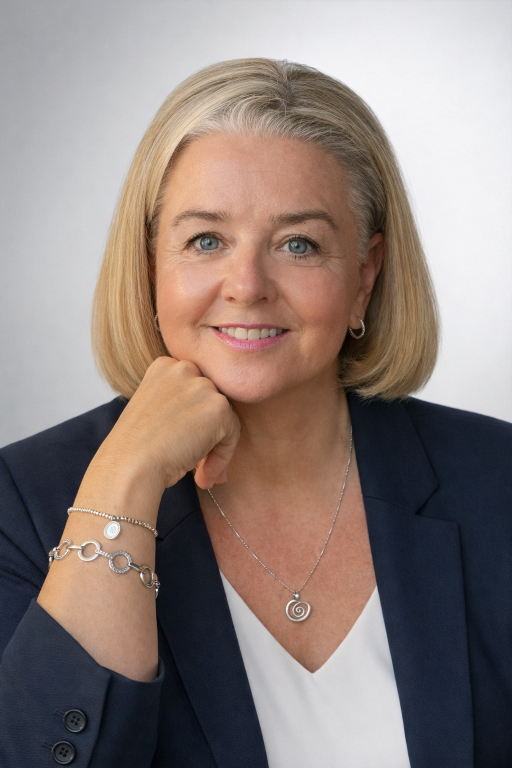
A Personal Message From Claire
Dear Future Celebrant,
If you are considering training as a celebrant, it is likely that something about this profession has already resonated with you. Many people feel drawn to celebrancy because it offers the opportunity to support others during some of the most important moments in life. Whether that is helping families honour a loved one, guiding couples as they celebrate their commitment, or welcoming a new child into a family, celebrants play a truly meaningful role.
When you choose to train with me, I want you to know that you will not simply be enrolling on a course. You will be joining a professional learning journey where you will be supported, guided and encouraged every step of the way.
My training programmes lead to NOCN regulated qualifications, which means the learning you receive follows recognised vocational education standards. This ensures that the knowledge and skills you develop are not only practical but also professionally recognised.
Throughout your training, my goal is to provide you with clear guidance, honest feedback and the encouragement needed to help you grow in confidence. Becoming a celebrant is not only about learning how to write and deliver ceremonies. It is about developing the ability to listen, to understand people's stories and to present them with dignity, warmth and professionalism.
I am committed to maintaining high professional standards in my training and to supporting every learner with respect and care. My aim is that by the end of your course you will not only have achieved your qualification, but will also feel confident in your ability to begin your journey as a celebrant.
Thank you for considering this path. I look forward to supporting you as you begin what can be a truly rewarding and meaningful profession.
Warm regards,
Why Train With Claire?
Choosing the right celebrant trainer is one of the most important decisions you will make when starting your journey into the profession. Training with Claire offers learners a rare combination of real celebrant experience, regulated qualification expertise, and personal mentoring.
Learn From a Practising Celebrant
Claire has been working as a celebrant since 2010 and continues to deliver ceremonies professionally. This means the training you receive is grounded in real-world experience, not just theory. Learners benefit from practical insight into working with families, writing meaningful ceremonies and delivering services with confidence and professionalism.
Regulated NOCN Qualifications
Claire delivers celebrancy qualifications regulated by Ofqual with NOCN as the awarding body. These are recognised vocational qualifications that meet professional standards and are supported by robust assessment and quality assurance processes.
A Trainer With Assessment Expertise
As a qualified NOCN Assessor and Internal Quality Assurer (IQA), Claire understands exactly how regulated qualifications work and what learners need to demonstrate in order to succeed. Her experience ensures learners receive clear guidance and constructive feedback throughout their training.
Over a Decade of Celebrant Training
Since becoming an approved training centre in 2015, Claire has supported learners from a wide range of backgrounds to achieve their celebrant qualifications and begin their professional journeys. Her long-standing relationship with NOCN ensures that training programmes are delivered to consistently high standards.
Personal Support and Mentoring
Claire believes celebrant training should be supportive and encouraging. Learners benefit from direct guidance, feedback and mentoring, helping them build the confidence required to work professionally as a celebrant.
A Respected Voice Within the Profession
Claire's work extends beyond training and ceremony delivery. Through her involvement with the Association of Independent Celebrants (AOIC) and her contribution to campaigning for legal recognition of celebrants, she has played an active role in supporting the development of the profession.
Wedding Law Reform in England and Wales
What it means for practising celebrants and anyone thinking of training (updated October 2026)

Wedding law in England and Wales is under review, and the changes could open new opportunities for celebrants. Here is where things stand and what it could mean for you.
The law today
Under the Marriage Act 1949, a legally binding wedding in England and Wales can only be conducted by a registrar in a civil ceremony or by an authorised person in a religious ceremony, and only at approved venues. Independent celebrants cannot currently conduct the legal part of a wedding. Most couples who choose a celebrant-led ceremony complete a short legal registration separately, before or after their ceremony.
How we got here
- 2022: The Law Commission published Celebrating Marriage: A New Weddings Law, recommending a system that regulates who conducts a wedding rather than where it takes place.
- 2025: The Government announced its intention to modernise weddings law, including legally binding humanist weddings.
- 16 July to 24 September 2026: The Ministry of Justice consulted on its proposals, Tying the knot: reforming weddings law in England and Wales.
What the Government has proposed
- Regulating the officiant rather than the building, so weddings could take place in a far wider range of locations.
- Allowing non-religious belief organisations, including humanists, to conduct legally binding weddings.
- Allowing independent officiants to conduct legally binding weddings for the first time.
- Entry and conduct standards for officiants. The Government sought views on a fit and proper test, training, oversight and accountability, with sanctions including removal of authorisation.
Where things stand now
The consultation closed on 24 September 2026 and the Government's response is awaited. New legislation will follow when parliamentary time allows, and no implementation date has been announced. These are proposals, not law. Until the law changes, celebrant-led weddings in England and Wales are not legally binding on their own.
What this could mean for celebrants
If independent officiants are authorised, they are expected to need to meet set standards. The detailed requirements have not yet been published, so no one can say exactly what will be needed. What is clear is that training, professional standards and accountability are likely to matter. A regulated, nationally recognised qualification gives you clear evidence of competence, training and professional practice when the requirements are confirmed.
Thinking of training?
Celebrancy is already a rewarding profession, whatever the outcome. Funerals, naming ceremonies, vow renewals and couples ceremonies all remain open to celebrants today. Reform could widen the opportunities for wedding celebrants further. IPC learners and graduates will be kept up to date as the law develops.

Have your say
The consultation has closed, but you can still share your views with your MP. Find your MP at theyworkforyou.com. Read the Government's consultation.
This information is a summary for guidance only and is not legal advice. Last updated October 2026.
The Funeral Celebrant Accord
Our commitment to the standards set by the Funeral Celebrancy Council
Claire Mountain has adopted the Funeral Celebrant Accord, published by the Funeral Celebrancy Council (FCC) in 2019. The Accord sets out the qualities and skills expected of an excellent funeral celebrant, and is widely used across the profession as a benchmark by funeral directors and families.
The five principles
Under the Accord, an excellent funeral celebrant:
- Is professional
- Cares for their clients
- Is calm and shows natural leadership
- Writes personalised ceremonies
- Cares about their self-development
What this looks like in practice
- Easy to contact, reliable and well organised, working confidentially in line with data protection law, with professional indemnity and public liability insurance in place.
- Giving families the time they need, ideally meeting them at home, involving family and friends, and offering the script for approval before the day.
- A calm, reassuring presence that leads gently without becoming the centre of attention, and adapts to what is happening in the room.
- Every ceremony unique, built from a detailed conversation with the family and accurately reflecting the life, values and beliefs of the person who has died.
- A continuing commitment to personal and professional development.
How our training reflects the Accord
Our funeral celebrancy training develops the same skills the Accord describes: family consultations, personalised script writing, confident ceremony delivery and professional practice, including insurance, data protection and continuing development. Once qualified, learners are encouraged to adopt the Accord themselves.
Working with funeral directors
The FCC also publishes Working with Celebrants: Points for Excellence, two short checklists funeral directors can use when they first meet a celebrant and after their first service together. Funeral directors look for evidence of training and qualifications, sample scripts, references, a code of conduct and complaints procedure, current insurance, transparent fees and ongoing development. As part of business set-up, we help IPC learners put this evidence together so they are ready to approach funeral directors with confidence.
The Funeral Celebrant Accord and Working with Celebrants: Points for Excellence are copyright The Funeral Celebrancy Council 2019.
Is Celebrant Training Right for Me?
Many people feel drawn to the role of a celebrant because they enjoy supporting others and creating meaningful moments for families and communities. If you are considering celebrant training, you may be asking yourself whether this profession is the right path for you.
Below are some common questions people ask when exploring the idea of becoming a celebrant.

Do I Need Previous Experience?
No previous experience is required to begin celebrant training. People enter the profession from a wide range of backgrounds including education, healthcare, hospitality, public service and community work.
What matters most is having an interest in working with people and helping them mark important life events with care and professionalism. Professional training provides the knowledge and structure needed to develop the skills required for the role.
Am I the Right Type of Person to Be a Celebrant?
Successful celebrants often share certain qualities:
- Good listening skills
- Empathy and understanding
- Confidence speaking in front of people
- Strong communication skills
- The ability to organise and structure ceremonies
If you enjoy working with people and telling meaningful stories, celebrancy may be a rewarding profession for you.
Can I Become a Celebrant Later in Life?
Absolutely. Many celebrants begin their celebrant careers later in life, often after many years of professional experience in other sectors.
In fact, life experience can be a great advantage in celebrant work, particularly when supporting families during significant life events such as weddings or funerals.
Can Celebrant Work Fit Around My Current Career?
Yes. Many celebrants begin by working part-time while continuing with their existing career.
Celebrant work offers flexibility, allowing professionals to manage their own schedule and gradually build their celebrant practice.
Is Celebrant Training Difficult?
Celebrant training is designed to support learners step by step. The training focuses on developing practical skills such as ceremony writing, communication and professional conduct.
With the support of experienced trainers and structured learning materials, most learners find the training enjoyable and manageable.
Why Choose Regulated Celebrant Training?
While there are many celebrant courses available, choosing a regulated qualification ensures you receive structured training that meets recognised educational standards.
Our courses lead to NOCN regulated qualifications, which means they are:
- Professionally structured
- Formally assessed
- Quality assured
- Recognised within vocational education
This provides greater credibility when starting your celebrant career.
What Will I Gain From Celebrant Training?
Celebrant training provides you with:
- The confidence to conduct ceremonies professionally
- The skills to work with families and couples
- The ability to write meaningful ceremony scripts
- Knowledge of ceremony structure and delivery
- A recognised professional qualification
These skills allow you to begin your celebrant journey with confidence.
Is Celebrant Work Rewarding?
Many celebrants describe their work as deeply rewarding. Celebrants have the privilege of supporting families during some of the most important moments in life, helping them celebrate relationships, honour loved ones and create meaningful memories.
Taking the First Step
If you are curious about becoming a celebrant, the best place to start is with professional training that provides both the knowledge and confidence needed to succeed.
Our NOCN Celebrant Training Programmes offer a structured pathway into the profession and support learners every step of the way.
Start Your Celebrant Journey Today
If you feel inspired to explore the celebrant profession, training is the first step toward turning that interest into a meaningful and rewarding role.
Explore Our CoursesCourse Structure & Format
Online Learning Delivery
All of our celebrant training courses are delivered entirely online, providing you with the flexibility and accessibility to study at your own pace and in your own time.
- ✓ Access course materials 24/7 from anywhere
- ✓ Study at your own pace around your schedule
- ✓ Structured modules with clear learning objectives
- ✓ Comprehensive digital learning resources
Completion Timeframe
Our courses are designed to be completed within a 12-month timeframe, allowing learners to progress at a structured pace with adequate time for reflective learning.
- ✓ 12 months standard completion time
- ✓ Work through materials at your preferred pace
- ✓ Support available throughout your studies
Support Systems
One-to-One Induction
Online induction session with your Senior Trainer & Assessor to get you started.
One-to-One Support
Up to two one-hour one-to-one sessions with Claire every month, with support by email or WhatsApp between sessions.
Email Support
Ongoing email support available throughout your course duration.
Assessment Methods
We use a variety of assessment methods to evaluate your learning and competence across all areas of the course.
Video Demonstrations
You will submit video recordings showcasing your ceremonial performance, presentation skills, and professional competence. These videos are reviewed by our experienced assessors to evaluate your practical abilities.
- Demonstrate ceremony conducting and delivery
- Showcase presentation and communication skills
- Display professional demeanor and presence
- Show understanding of ceremony structure and flow
Written Documentation
Provide detailed written structure documents and ceremony frameworks as backup evidence. These demonstrate your theoretical knowledge and planning ability.
- Ceremony scripts and frameworks
- Client consultation documentation
- Reflective practice journals
- Professional planning and evaluation records
Practical Tasks & Assignments
Each course includes practical assignments and real-world tasks to develop your skills as a professional celebrant. You'll complete these tasks and submit evidence of your learning.
- Assignment briefs with clear learning outcomes
- Real-world scenario assessments
- Client interview simulations
- Ceremony planning and execution projects
Facility Visits & Real-World Experience
Learners are encouraged to arrange a visit to their local crematorium themselves; it is useful preparation but not mandatory.
- Encouraged local crematorium visit for useful preparation (not mandatory)
- Funeral home visits and orientation
- Understanding facilities and processes
- Building professional relationships in the industry
Course Policies
Please review our course policies carefully before enrolling to understand the commitment and expectations involved in your training.
1. Regulatory Status
Our qualifications are awarded by NOCN and regulated by Ofqual. IPC Celebrant Training delivers them as an approved NOCN centre (Centre No. 30003224). All courses are delivered and assessed under the regulatory framework of England and Wales.
2. Enrolment Requirements
- • You must be aged 18 or over to enrol.
- • Commitment to the 12-month course completion timeframe (unless otherwise agreed in writing).
- • Reliable internet access and a suitable device for online learning.
- • Willingness to engage fully with assessments and feedback.
- • Professional conduct and ethical commitment throughout the course.
- • You must download, read and sign the Learner Agreement before payment.
3. Submission Procedures
- • Assignments and evidence must be submitted by the specified deadlines.
- • All work must be your own original work.
- • Video submissions must meet the required quality standards and feature you delivering the material.
- • Late submissions may impact assessment schedules.
- • Plagiarism, collusion or any form of malpractice is not permitted and may invalidate your registration.
4. Professional Conduct Standards
- • Maintain professional standards in all communications.
- • Respect the confidentiality and privacy of others.
- • Demonstrate ethical behaviour in all course activities.
- • Engage respectfully with tutors and fellow learners.
5. Payment & No-Refund Policy
- • You must download, read and sign the Learner Agreement before payment.
- • Course fees are payable in full on enrolment. Payment plans may be available — please contact us to discuss.
- • Our courses are digital products delivered with associated online tutoring and assessment services. By signing the Learner Agreement and completing payment, you expressly request immediate access and acknowledge that you waive your 14-day cancellation right under the Consumer Contracts Regulations 2013.
- • Once the Agreement is signed, payment is received and access has been granted, all fees are non-refundable.
- • Extensions are considered on individual circumstances. An administration fee may apply and will always be confirmed to you in writing in advance.
- • This does not affect your statutory rights under the Consumer Rights Act 2015.
6. Course Duration & Extensions
- • The standard completion period for all courses is 12 months from enrolment, unless otherwise agreed in writing.
- • Extensions are considered on individual circumstances. An administration fee may apply and will always be confirmed to you in writing in advance.
7. Certification
- • On successful completion, your NOCN certificate is included in your fee and issued in digital format.
- • A printed hard-copy certificate is available on request at an additional charge of £60.
8. Equality, Reasonable Adjustments & Anti-Harassment
- • Zero tolerance for harassment, bullying or discrimination. All learners and staff are treated with equal respect, in line with the Equality Act 2010.
- • We make reasonable adjustments for learners with a disability or particular assessment needs — please tell us at enrolment so arrangements can be made.
- • Reporting mechanisms are available for any concerns.
- • Violations may result in course termination.
9. Complaints & Appeals
- • Complaints should first be raised with us in writing; we aim to acknowledge within five (5) working days.
- • You have the right to appeal an assessment decision under our Appeals Procedure.
- • If a matter cannot be resolved with us, you may escalate to NOCN as the awarding organisation, and ultimately to Ofqual as regulator.
10. Data Protection & Privacy
We process your personal data in accordance with the UK GDPR and the Data Protection Act 2018. Your data is shared with NOCN for registration and certification. For full details, please see our Privacy Policy.
Download Our Complete Policies
Download our full policy document for your reference. Please provide your information below.
Frequently Asked Questions
Getting Started
How do I enrol on a course?
You can enrol directly through our website pricing page. Select your course, complete the enrolment form with your details, and make your payment securely. You'll receive confirmation and access to your course materials within 24 hours.
Do I need any qualifications to apply?
Our courses are designed for aspiring celebrants with no specific prior qualifications required. However, a genuine commitment to the profession and willingness to engage fully with the learning process are essential.
What technology do I need?
You'll need a reliable internet connection, a computer or laptop, and a webcam/smartphone for recording video demonstrations. We recommend a quiet space for learning and video submissions.
Course Content
What's the difference between the Certificate and Diploma courses?
The Civil Celebrancy Certificate provides a regulated foundation qualification covering both funeral and celebratory ceremonies. The Diplomas are specialist qualifications offering deeper expertise in specific areas (Funeral Celebrancy or Couples & Naming Ceremonies).
Can I study both diploma courses at the same time?
Yes! Our Dual Qualification Pathway allows you to complete both Funeral Celebrancy and Couples & Naming Ceremonies diplomas together within 6-9 months, and you'll save £500 compared to enrolling separately.
Are the courses regulated?
Yes, all our courses are regulated by NOCN (National Open College Network) and are regulated qualifications recognised across the UK and internationally.
Assessment & Support
How are learners assessed?
We use a variety of assessment methods including video demonstrations of ceremony conducting, written documentation, practical assignments, and reflective practice journals. Learners are encouraged to arrange a visit to their local crematorium themselves; it is useful preparation but not mandatory.
Is this a pass/fail course?
No, this is not a traditional pass/fail course. We work with you throughout to ensure you develop the necessary skills and knowledge to meet the professional standard. Our approach is supportive and developmental.
What support is available during my course?
You'll have access to a Senior Trainer & Assessor for your initial induction, up to two one-hour one-to-one sessions with Claire every month, detailed feedback on your work, and support by email or WhatsApp between sessions.
Qualifications & Career
What can I do after completing a course?
Upon completion, you'll receive a regulated Level 3 qualification enabling you to work professionally as a celebrant. You can work independently, partner with funeral directors or venues, or progress into assessor and training roles.
Is there a progression pathway from Diploma to Assessor roles?
Yes, after completing a celebrant diploma, you can progress to our Assessor Qualification (foundation level) and then to the CAVA qualification (full professional assessor credential). This pathway leads to training, mentoring, and quality assurance roles.
Are these qualifications recognised internationally?
Yes, NOCN qualifications are regulated and recognised across the UK and internationally. This opens opportunities to practise or work abroad if desired.
Payment & Enrolment
What payment methods do you accept?
We accept all major credit cards and debit cards for payment. Payment plans may also be available - please contact us to discuss flexible payment options.
Is there any help paying for this?
Yes, we offer support for learners seeking financial assistance:
- • Monthly Payment Plans — We offer flexible payment options to spread the cost of your course. Please contact us to discuss arrangements that work for your circumstances.
- • ReAct+ in Wales — If you're based in Wales, this funding scheme may support your professional development. Get in touch to discuss eligibility.
- • Employer Funding — Funeral directors and other organisations often fund professional development for their staff. If your employer is interested in training their team, we can provide information on bulk enrolment and business-to-business arrangements.
Contact us to explore which options may be available for your situation.
Are there discounts for enrolling in multiple courses?
Yes! Our Dual Qualification Pathway offers both diploma courses for £3,500, saving you £500 compared to enrolling separately. This is our best value offering for comprehensive professional practice.
Do I need to sign a training contract?
Yes, you must download and sign the training contract before making payment. The contract outlines the course requirements, no-refund policy, and becomes legally binding upon payment. You'll have the opportunity to review and download it on the enrolment page.
Can I get a refund if I change my mind?
No, this is a digital course and refunds are not available once payment is received. The 14-day consumer cooling-off period does not apply to digital services. Please review all course information and download the training contract before enrolling to understand this policy.
Getting Help
How do I contact support during my course?
You have multiple ways to get support: you can have up to two one-hour one-to-one sessions with Claire every month, with support by email or WhatsApp between sessions, and your induction session covers how to access all support services.
What if I'm struggling with the course?
Our supportive approach means we work with you to help you succeed. If you're struggling, raise it in one of your sessions with Claire or contact her by email or WhatsApp between sessions. We provide additional guidance, resources, and support to help you progress.
Before You Enrol
Learner Agreement Requirements
Before you can complete payment and enrol on any course, you are required to download, review, and accept our Learner Agreement.
- ✓ The Learner Agreement must be downloaded and reviewed BEFORE payment
- ✓ You must confirm acceptance of the agreement to complete enrolment
- ✓ The agreement becomes legally binding upon payment
- ✓ It outlines course requirements, policies, and the no-refund commitment
Download Your Learner Agreement:
📄 Download Learner Agreement (PDF)PDF opens in a new window. You will be required to accept this agreement on the enrolment page before payment.
Key Agreement Points:
- • Course is delivered entirely online with digital access
- • 12 months standard completion timeframe
- • Professional conduct standards apply throughout
- • Assessments include video demonstrations and written work
- • No refunds available
- • Supportive learning approach with monthly feedback meetings
Ready to Begin Your Celebrant Journey?
Review our course policies and FAQ, then explore our complete range of regulated courses.